logo

Dettagli dei prodotti

Created with Pixso. Casa Created with Pixso. prodotti Created with Pixso.
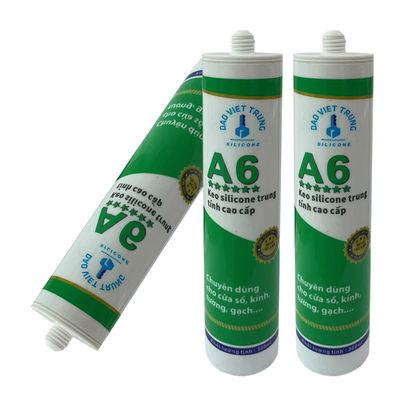
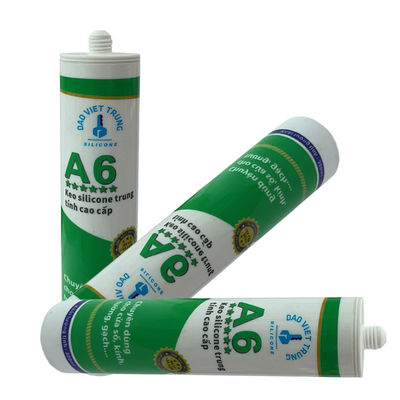
Sigillante acido del silicone
Created with Pixso.

300ml Acid Silicone Sealant Waterproof Heat Ressitance Wood Glass Doors And Windows Bonding

300ml Acid Silicone Sealant Waterproof Heat Ressitance Wood Glass Doors And Windows Bonding

Marchio: OEM
Numero modello: 7888
MOQ: 300SCATOLE
prezzo: negotiable
Condizioni di pagamento: L/C, D/A, D/P, T/T, Western Union, MoneyGram
Capacità di fornitura: 1000000000 pezzi al mese
Informazioni dettagliate
Luogo di origine:
Cina
Certificazione:
ISO9001 MSDS
Metodi di elaborazione:
ODM OEM
Qualifiche:
ISO9001 CE
Curetime:
24 ore per spessore 3mm
Materiale:
Silicone al 100%
Capacità:
590 ml
Resistenza agli agenti atmosferici:
Eccellente
Materiale principale:
Silicone
Resistenza alla trazione:
≥ 1,5 MPa
Metodo di applicazione:
pistola a spruzzo per presellatura
Produzione di fabbrica:
30, 000 pezzi al giorno
Contenuto volatile:
≤ 3%
Resistenza alla temperatura:
-50℃ a 150℃
Area di fabbrica:
40.000 mq
Temperatura dell'applicazione:
5-40 ° C.
Posizione della fabbrica:
Provincia del Guangdong
Imballaggi particolari:
Cartucce da 300 ml
Capacità di alimentazione:
1000000000 pezzi al mese
Descrizione di prodotto

. Characteristic

Acidic silicone sealant is a one-component elastomeric adhesive and sealant based on silicone polymer, characterized by its strong adhesion to a variety of common building and industrial materials such as glass, aluminum alloy, ceramic, and most rigid plastics, while exhibiting excellent weather resistance that enables it to withstand extreme temperatures ranging from -60℃ to 200℃, as well as resistance to UV radiation, rain, ozone, and humidity without losing its sealing performance. It is widely used in both indoor and outdoor scenarios, including glass curtain wall installation, door and window edge sealing, bathroom and kitchen fixture bonding, and decorative material splicing; the application method is relatively straightforward: first, the surface of the bonded or sealed object must be cleaned thoroughly to remove dust, oil, water stains, and other impurities that may affect adhesion, then cut the nozzle of the sealant tube at a 45-degree angle according to the required seam width, load the tube into a sealant gun, extrude the sealant evenly into the seam or onto the bonding surface, ensure that the sealant fully fills the gap and adheres closely to the contact surfaces, and finally smooth the surface with a tool dipped in a small amount of soapy water if necessary, allowing it to cure at room temperature—during the curing process, it releases acetic acid, which gives off a mild acidic odor that will dissipate naturally as curing completes.

2. Features

  • Strong Adhesion: Forms a firm and durable bond with most non-porous materials without the need for additional primers, reducing construction procedures and improving efficiency.
  • Excellent Elasticity: Maintains good elasticity after full curing, which can effectively absorb the expansion and contraction, vibration, and deformation of the bonded materials caused by temperature changes or external forces, preventing the seal from cracking.
  • Rapid Curing: Typically forms a surface skin within 15-30 minutes under normal temperature and humidity conditions, and completes full curing within 24-48 hours, enabling faster subsequent construction processes.
  • Chemical Resistance: Resistant to common chemicals such as weak acids, weak alkalis, and organic solvents, ensuring stable performance in harsh environments like kitchens and bathrooms where it may come into contact with cleaning agents.
  • Cost-Effective: Compared with other high-performance sealants, it has a more moderate price while meeting the basic sealing and bonding needs of most civilian and general industrial scenarios, achieving a good balance between performance and cost.

3. Applications

  • Building and Construction: Used for sealing the gaps between glass and aluminum frames in glass curtain walls, sealing the joints of door and window profiles to prevent air and water leakage, and bonding and sealing exterior wall decorative panels, stone materials, and ceramic tiles.
  • Interior Decoration: Applied in bathroom for sealing the gaps around bathtubs, washbasins, and toilets to achieve waterproof and mildew-proof effects; used in kitchens for sealing the joints between gas stoves, range hoods, and countertops, as well as the gaps of cabinet doors and panels.
  • Automotive and Shipbuilding: Suitable for sealing the small gaps in automotive interiors and exteriors, such as the joints of automotive glass, lamp covers, and body trim parts; used in small ships for sealing the gaps of cabin components and decorative parts that do not come into contact with strong corrosive media.
  • Electrical and Electronic Industry: Used for sealing the shell joints of small electrical appliances (such as rice cookers, microwave ovens) to prevent dust and water from entering, and for bonding and fixing electronic components that do not require high-temperature resistance.
  • Daily Maintenance and Handicrafts: Applied in daily life for repairing and sealing household items, such as fixing loose glass on photo frames, sealing the gaps of plastic containers; used in handicraft production for bonding and shaping materials like glass, resin, and ceramic.